What Credit Score Do You Need to Buy a Home in Georgia?

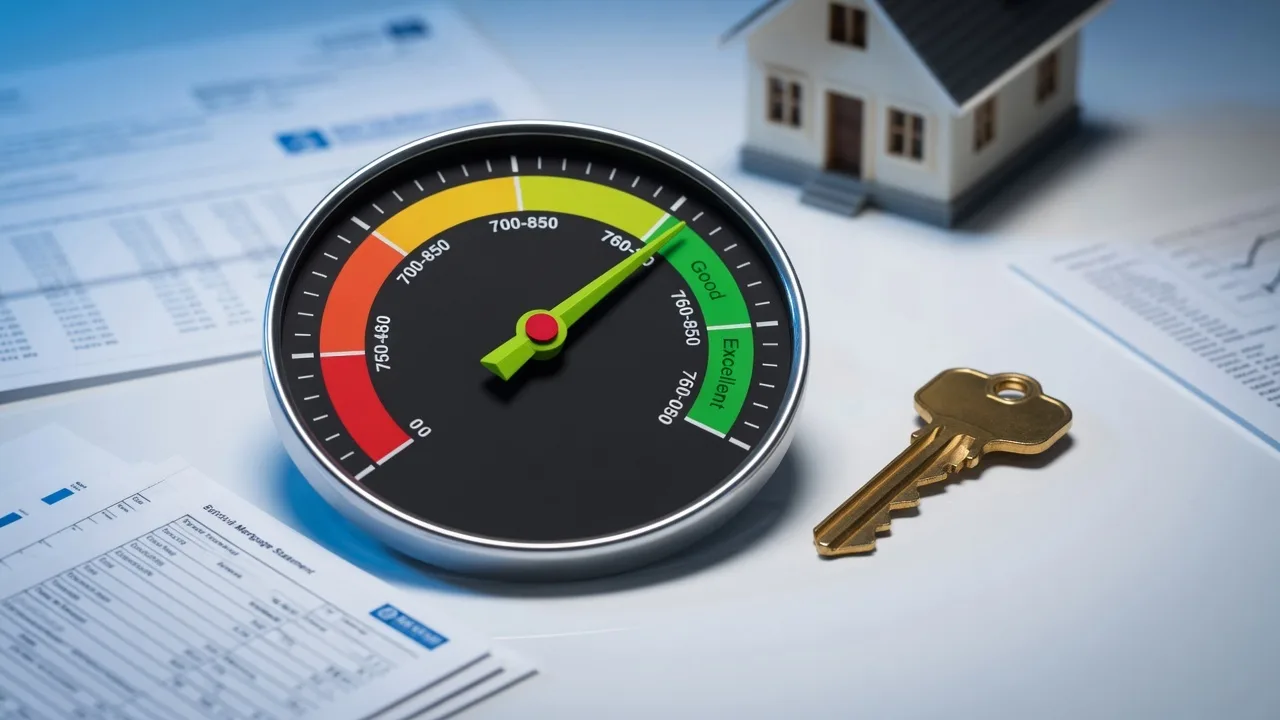
Your credit score is one of the biggest factors in determining whether you qualify for a mortgage — and at what interest rate. But there's a lot of confusion about what score you actually need. The truth is, different loan programs have different minimums, and Georgia offers several programs that can help buyers with less-than-perfect credit get into a home.
FHA Loans: 580+ (with 3.5% Down)
FHA loans are the most accessible option for buyers with lower credit scores. The Federal Housing Administration insures these loans, making them less risky for lenders. With a credit score of 580 or higher, you can put as little as 3.5% down. With a score between 500 and 579, you'll need 10% down instead.
FHA loans are popular among first-time buyers in Georgia because they're more forgiving of past credit issues — including bankruptcies, foreclosures, and collections. The trade-off is that you'll pay mortgage insurance premiums (MIP) for the life of the loan in most cases.
Conventional Loans: 620+ (Some Lenders Go to 600)
The most common mortgage in the U.S., a conventional loan typically requires a minimum credit score of 620. Some lenders will go as low as 600 with stronger compensating factors — a larger down payment, significant cash reserves, or a very low DTI ratio.
Conventional loans become more attractive as your score climbs. At 740+, you'll access the best interest rates, which can save you tens of thousands of dollars over the life of the loan. The big advantage: once you reach 20% equity, private mortgage insurance (PMI) drops off entirely.
VA Loans: No Official Minimum (Lenders Typically Want 620)
If you're an active-duty service member, veteran, or eligible surviving spouse, VA loans are one of the best deals in real estate. There's no official VA minimum credit score — but most VA-approved lenders require a 620 or higher. Some will go to 580 with strong financials.
VA loans offer zero down payment, no monthly mortgage insurance, and competitive interest rates. If you're military-connected and buying in Georgia, this is almost always the best route.
USDA Loans: 640+ (with No Down Payment)
USDA loans are designed for buyers in eligible rural and suburban areas — and parts of metro Atlanta qualify, including areas in Douglas County, Henry County, Rockdale County, and parts of Newton and Forsyth counties. The minimum credit score is typically 640, and there's no down payment required.
USDA loans also have income limits, so you'll need to verify that your household income falls within the guidelines for your area.
Georgia-Specific First-Time Buyer Programs
Georgia offers several programs that can help buyers with lower credit scores or limited savings:
- Georgia Dream Homeownership Program: Provides down payment assistance of up to $10,000 for first-time buyers. Minimum credit score is typically 640, and the program works with FHA, VA, and USDA loans.
- GA Dream Preferred Program: An enhanced version with additional assistance for buyers in targeted areas or with specific qualifying factors.
- Habitat for Humanity: For lower-income families, Habitat builds homes with affordable mortgages and flexible credit requirements.
- HCV Homeownership Program: Section 8 voucher holders can use their housing subsidy toward a mortgage instead of rent, with credit requirements that may be more flexible.
How to Improve Your Credit Score Before Buying
If your credit score isn't where you need it to be, here are the most effective steps to improve it before you apply for a mortgage:
- Pay down credit card balances: Your credit utilization ratio (balance vs. credit limit) is the second-largest factor in your score. Get below 30% utilization — below 10% is even better.
- Don't close old accounts: The length of your credit history matters. Keep older accounts open even if you're not using them.
- Dispute errors on your report: Check all three bureaus (Equifax, Experian, TransUnion) for inaccurate late payments, collections, or balances that aren't yours.
- Don't open new credit: Hard inquiries and new accounts can temporarily lower your score. Avoid opening new credit lines in the months before applying for a mortgage.
- Set up autopay: Payment history is the #1 factor in your score. Even one missed payment can drop your score significantly.
Even a 20-point improvement in your score can mean a better interest rate — which saves you real money every month for years.
What If Your Score Is Below 580?
If your score is below 580, you're not out of options — but the path is narrower. You may qualify for an FHA loan with 10% down, or you can work with a HUD-approved housing counselor to develop a credit improvement plan. Georgia has several HUD-approved agencies that offer free or low-cost credit counseling.
I've worked with buyers at every credit level. The key is starting early enough to get your score where it needs to be — most credit issues can be addressed in 3 to 12 months with the right plan.
Related guide: Atlanta Home Buying Guide — step-by-step guidance from pre-approval to closing.
Frequently Asked Questions
What credit score do I need to buy a home in Georgia?
FHA loans accept scores as low as 500 with a 10% down payment or 580 with 3.5% down. Conventional loans generally want 620 or higher, and scores above 740 typically get the best rates. Your score mainly decides which loan programs are available and what your payment will be.
Can I buy a home with a credit score below 580?
Yes, through FHA financing with a 10% down payment, or by using a non-traditional credit history in some programs. The tradeoffs are a higher down payment, mortgage insurance, and a higher rate. Improving your score before you shop can open better options and save thousands over the loan.
How quickly can I raise my credit score?
The fastest wins are paying down credit card balances, fixing errors on your reports, and avoiding new credit applications in the months before you apply. Scores can move meaningfully within 30 to 60 days of those changes, so it is worth cleaning up credit before locking in a rate.
Does my credit score affect my mortgage rate?
Yes. Lenders price rates in tiers, so the same buyer can pay meaningfully more per month at a 620 score than at a 760 score. On a typical Atlanta purchase, the difference can be tens of thousands of dollars in interest over the life of the loan.
Not Sure Where You Stand?
I'll connect you with trusted local lenders who can review your credit profile and recommend the best loan program for your situation. No judgment — just a clear plan for getting you into a home. I'm ready when you are.