Home Inspection Checklist for Georgia Buyers

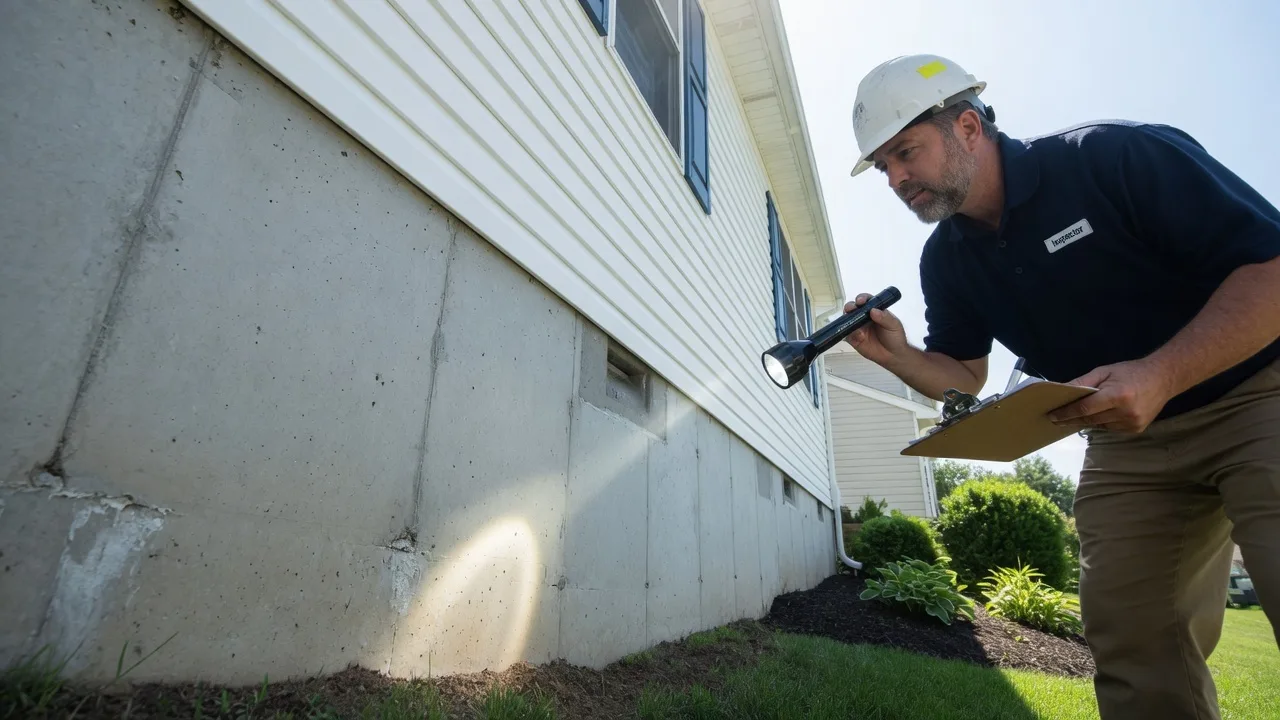
A home inspection is the single most important step in the buying process — it's where you find out what the seller's disclosure doesn't tell you. In Georgia, inspections typically cost $300–$500 and can save you from tens of thousands in unexpected repairs. Here's what an inspector looks for and what red flags to watch for.
Foundation and Structure
Georgia's red clay soil expands and contracts with moisture, which puts real stress on foundations. Inspectors look for cracks in the foundation walls, uneven floors, doors that stick, and gaps around window frames. Hairline cracks are usually cosmetic — but horizontal cracks, stair-step cracks in brick, or cracks wider than ¼ inch can signal serious structural issues.
Atlanta's older neighborhoods — Decatur, East Atlanta, Grant Park, Kirkwood — have many beautiful homes built decades ago. They're full of character, but their foundations may have shifted over time. Pay close attention to this area of the inspection.
Roof Condition and Age
The roof is one of the most expensive components of a home. An inspector will assess the condition of the shingles or roofing material, look for missing or damaged pieces, check for proper drainage, and estimate the remaining useful life of the roof. In Georgia, asphalt shingle roofs typically last 20–30 years.
Georgia's intense summer heat and occasional severe storms take a toll on roofs. Look for curling shingles, granule loss in gutters, soft spots on the deck, and signs of previous patchwork repairs. A roof replacement can run $8,000–$20,000+, so this is a critical area.
HVAC System
In Atlanta, your HVAC system works hard — long, hot summers and cool winters mean it runs most of the year. The inspector will check the age, condition, and functionality of both the heating and cooling systems. The average lifespan of an HVAC system is 15–20 years.
Ask about the maintenance history. A well-maintained system with regular filter changes and annual servicing will typically outlast one that's been neglected. Replacement costs range from $5,000–$12,000, so an aging system is worth factoring into negotiations.
Plumbing
Inspectors check water pressure, look for leaks under sinks and around toilets, test water heater function, and assess pipe material. In older Georgia homes, you might encounter galvanized steel pipes that are nearing end-of-life — they corrode internally, reducing water pressure and eventually leaking. Modern homes typically use PEX or copper, which last much longer.
Also watch for signs of water damage — staining on ceilings or walls, musty smells in crawl spaces, or soft spots in flooring. Georgia's humidity can accelerate mold growth if moisture issues aren't addressed.
Electrical System
The inspector will check the electrical panel, outlets, switches, and visible wiring. Older homes may have outdated panels (Federal Pacific, Zinsco) that are considered fire hazards. They'll also verify that outlets in kitchens and bathrooms have proper GFCI protection and that the system is properly grounded.
An undersized or outdated electrical panel may need upgrading to handle modern appliance loads. This typically costs $1,500–$4,000.
Termite and Pest Inspection (Critical in Georgia)
This is a big one. Georgia's warm, humid climate makes it a prime environment for termites, particularly the Eastern subterranean termite. A termite inspection is often required by lenders and is a standard part of any Georgia home purchase.
Inspectors look for mud tubes along the foundation, damaged or hollow-sounding wood, discarded wings near windows, and evidence of previous treatment. A current termite bond (treatment warranty) from a licensed pest control company is valuable — it means the home has been treated and is covered if termites return.
Termite damage repair can cost anywhere from $1,000 to $30,000+ depending on severity. If you see significant damage, get a structural engineer's assessment before proceeding.
Radon Testing
Radon is a naturally occurring radioactive gas that can seep into homes through cracks in the foundation. While Georgia's radon levels are generally lower than northern states, certain areas — particularly homes built on or near granite formations — can have elevated levels. A radon test costs $150–$200 and is worth adding to your inspection, especially in basement or slab-on-grade homes.
Pool and Outdoor Structures
If the home has a pool, hot tub, deck, or detached structures, these deserve their own attention. Pool inspections check for equipment function, leaks, decking condition, and safety compliance. In Georgia, pool season runs long, so proper maintenance is essential. Deck and porch inspections look for structural integrity, wood rot, and code compliance.
Crawl Space and Moisture
Many Georgia homes — especially older ones — have crawl spaces rather than basements. These are high-risk areas for moisture intrusion, mold, and wood rot. The inspector should get into the crawl space (or as far as safely possible) to check for standing water, vapor barrier condition, insulation, and ventilation. Crawl space encapsulation or remediation can cost $3,000–$10,000.
Red Flags to Watch For
Some inspection findings are more serious than others. Here are the red flags that should give you pause:
- Active termite damage or no termite history on an older home
- Foundation cracks wider than ¼ inch or horizontal cracks
- A roof over 20 years old with visible wear
- Outdated electrical panels (Federal Pacific, Zinsco, fuse boxes)
- Signs of water intrusion in the crawl space or basement
- Mold — any visible mold should be tested by a specialist
- Sagging or bouncy floors indicating structural issues
- Major code violations or unpermitted additions
None of these necessarily mean you should walk away — but they all need to be addressed, either through seller repairs, price adjustments, or your own budget planning.
Related guide: Atlanta Home Buying Guide — walk through every step of the buying journey.
Frequently Asked Questions
How much does a home inspection cost in Georgia?
A standard inspection for a typical home runs $400 to $700, depending on square footage and age. Specialized checks like a sewer scope, radon test, or termite inspection add $100 to $300 each. It is a small price for a full picture of the property before you commit.
What does a standard inspection cover?
It covers the major systems and structure: roof, foundation, electrical, plumbing, HVAC, and the interior and exterior condition. It does not cover everything, which is why add-ons like sewer scopes and termite inspections matter, especially on older Atlanta homes with mature trees.
What should I do if the inspection finds problems?
Do not walk away automatically. Categorize the findings into safety issues, needed repairs, and maintenance items, then decide whether to negotiate with the seller. Many deals in Atlanta close with the seller fixing or crediting significant items, especially when the market favors buyers.
Can I waive the home inspection to win an offer?
You can, but it is one of the riskier ways to make an offer competitive. If you waive it entirely, you accept the property with unknown issues. A compromise many buyers use is an informational inspection: keep the inspection for your own knowledge but limit your repair requests.
Need a Trusted Inspector in Atlanta?
I work with a network of experienced, licensed inspectors who know Georgia homes inside and out. I'll make sure you get a thorough, honest assessment — and help you understand exactly what it means for your purchase decision. I'm available whenever you're ready.