What Repairs Actually Increase My Home's Value Before Selling?

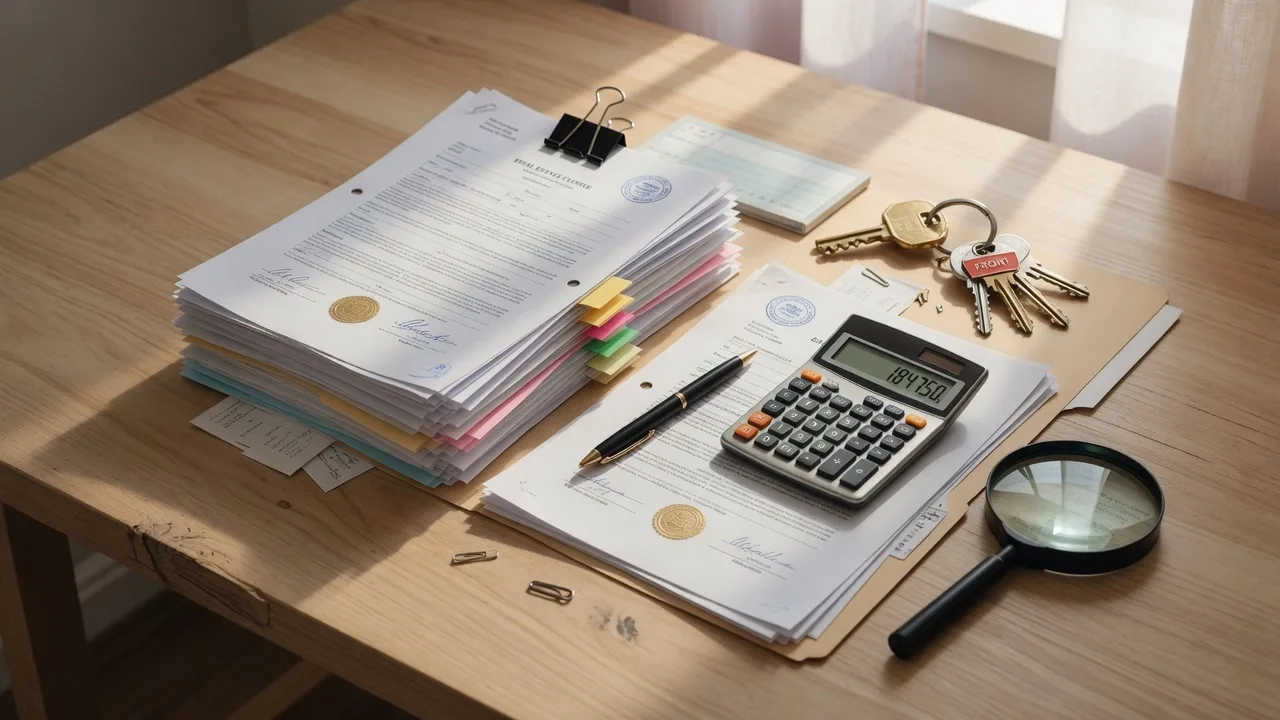
Every seller asks me some version of this question: "What should I fix before I list?" The answer matters because the wrong move — spending $30,000 on a kitchen remodel when your buyer expects $8,000 in updates — doesn't just waste money. It can actually narrow your buyer pool and slow your sale. Here's the real data on what pays off and what doesn't.
The Difference Between Repair and Renovation
Before we get into specifics, it's important to understand the distinction. A repair fixes something that's broken or worn — a leaking faucet, cracked grout, damaged drywall, peeling paint. Buyers expect these things to be in working order, and when they're not, buyers mentally deduct two or three times what the fix would cost.
A renovation upgrades something that technically works but looks outdated — replacing countertops, retiling a shower, or remodeling a kitchen. Renovations are where sellers waste the most money, because they're personalizing for the next owner instead of meeting their expectations.
The sweet spot for sellers in the Atlanta market is targeted, cosmetic improvements — not full renovations. The goal isn't to make your home the nicest on the street. It's to make it the cleanest, freshest, and most move-in ready home at your price point.
High-ROI Repairs: What Actually Pays You Back
These are the improvements with the strongest return on investment — the ones I recommend to almost every seller I work with. National data from the 2024 Cost vs. Value Report and HomeLight's 2025 seller data back these up.
Fresh Interior Paint
Interior painting is the single highest-ROI improvement you can make before listing. Neutral tones — warm whites, soft grays, greige — make rooms feel larger and more move-in ready. This is cheap, fast, and universally effective. In Atlanta's $400K–$1M range, buyers expect clean, neutral walls.
Curb Appeal Improvements
Fresh mulch, trimmed bushes, power-washed walkways, a clean or painted front door, and updated house numbers. According to the 2024 Cost vs. Value Report, a garage door replacement returns 194% of its cost, and a steel entry door replacement returns 188%. Even smaller touches — new exterior light fixtures, a swept porch — signal that the home has been cared for. Buyers form their impression in the first 7 seconds.
Kitchen Refresh (Not Remodel)
A minor kitchen update — painting or refacing cabinets, replacing hardware, upgrading countertops, swapping out old appliances for clean mid-range stainless — consistently returns 70–80% nationally. In Atlanta's price range, buyers expect a clean, functional kitchen. They don't need a chef's dream; they need updated, neutral, and well-maintained. The key is "refresh," not "remodel." A full kitchen remodel ($30K–$60K) only returns 50–60% and takes weeks to complete.
Bathroom Updates
A midrange bathroom remodel averages around $25,000 and returns roughly 67–74% according to the 2024 Cost vs. Value Report. But you don't need to spend that. A new faucet, fresh grout or reglazing, updated light fixture, and a clean mirror can transform a bathroom for under $1,000. A full bathroom remodel rarely pays off at resale — buyers want clean and updated, not custom.
Flooring Refinishing
Refinishing existing hardwood floors — not replacing them — is one of the best investments a seller can make. Hardwood floors return 70–80% on average, and updated flooring can help homes sell for 2–5% more than comparable homes with older floors. If you have carpet hiding original hardwood (common in Atlanta's older neighborhoods), uncovering and refinishing it is a powerful move. For other flooring, luxury vinyl plank is the most cost-effective replacement option at 50–60% ROI.
Updated Lighting
Replace dated fixtures with modern, clean-lined alternatives. Add under-cabinet lighting in the kitchen. Bright, well-lit homes show better in person and photograph dramatically better online — and both matter. This is one of the cheapest improvements with the highest visual impact.
Moderate-ROI Improvements: Worth Considering
These won't dramatically change your sale price, but they can reduce objections and help your home feel more polished.
- Landscaping ($500–$2,000): A tidy yard, fresh mulch, and a few seasonal plants can increase perceived value by 7–14%. It's not a full landscape redesign — it's maintenance with intention.
- Professional Deep Clean ($300–$800): Baseboards, windows, vents, behind appliances, light switches. A spotless home signals care and maintenance. This is non-negotiable before listing — it doesn't add value so much as prevent value loss.
- Minor Fixes and Touch-Ups ($200–$1,000): Tighten loose handles, re-caulk the bathtub, fix squeaky doors, patch nail holes, replace burned-out bulbs. Individually these are small. Collectively, they tell buyers the home has been maintained.
- Front Door Replacement ($2,000–$4,000): A new steel entry door returns 188% of its cost according to the 2024 Cost vs. Value Report. Even a fresh coat of paint on the existing door makes a difference.
- Garage Door Replacement ($4,000–$5,000): This is the highest-ROI exterior project at 194% return. If your garage door is visible from the street and looks worn, this is worth serious consideration.
Low-ROI Projects: Where Sellers Waste Money
These projects consistently underperform at resale. That doesn't mean they're bad home improvements — they just don't make financial sense when you're selling within 6–12 months.
- Full Kitchen Remodel ($30,000–$60,000): Returns only 50–60% at resale. Buyers in Atlanta's $400K–$1M range expect an updated kitchen, but they don't need Sub-Zero appliances and custom cabinetry. A $5,000 kitchen refresh often creates the same buyer response as a $50,000 remodel.
- Swimming Pool Addition ($50,000–$100,000+): Costs a fortune to build and maintain, often narrows your buyer pool, and many Atlanta buyers see a pool as a maintenance burden — not a feature. If your home already has a pool, make sure it's clean and functional. If it doesn't, don't add one to sell.
- Luxury Upgrades in Mid-Range Homes: High-end countertops, imported tile, or designer fixtures in a $400K home won't recoup their cost. Buyers in that price range expect quality, not luxury. Spending $15,000 on custom backsplash tile when a $2,000 option looks just as clean is not a smart investment.
- Structural Changes ($20,000–$100,000+): Removing walls, adding rooms, or reconfiguring layouts. These are expensive, require permits, take weeks, and may not match what buyers actually want. The ROI is unpredictable and rarely justifies the disruption.
- Over-Personalized Improvements: Bold paint colors, custom built-ins, themed rooms, or specialty installations that reflect very specific tastes. These make it harder for buyers to see themselves in the space. The goal is accessibility, not personality.
What Atlanta Buyers Specifically Expect
Atlanta's market — especially in the $400K–$1M range I work most — has specific buyer expectations shaped by the mix of older established neighborhoods and new construction. Here's what I see consistently:
- Clean and neutral: Buyers want to walk in and imagine their life, not see yours. Neutral paint, depersonalized spaces, and clean surfaces are table stakes.
- Updated kitchens and baths: Not remodeled — updated. New hardware, clean countertops, working appliances, fresh fixtures. These are the rooms buyers scrutinize most.
- Functional systems: HVAC, plumbing, and electrical need to work. If your HVAC is 18 years old, expect it to come up in the inspection and potentially in negotiations. Sometimes a pre-listing inspection is worth the $300–$500 to know what you're dealing with.
- Outdoor living space: Atlanta buyers value outdoor space — a clean deck, maintained yard, or usable patio. It doesn't need to be elaborate; it needs to be usable and inviting.
- Hardwood floors: In Atlanta's older neighborhoods (Virginia-Highland, Decatur, East Atlanta), original hardwood is expected. If you have it, show it off. If it's hidden under carpet, consider revealing it.
When to Sell As-Is
Not every home needs repairs before listing. Sometimes the smartest financial move is to price the home correctly for its condition and sell it as-is. This makes sense when:
- The cost of necessary repairs would exceed what you'd recoup at closing
- The home needs major system replacements (roof, HVAC, foundation work)
- You're facing a timeline pressure — job relocation, probate, divorce, financial stress
- The property appeals to investors or cash buyers who prefer to do work themselves
- You'd rather take a slightly lower offer than deal with the stress and uncertainty of pre-sale renovations
Selling as-is doesn't mean selling for nothing. It means pricing strategically to attract buyers who understand the condition and are willing to act. In today's Atlanta market, selling as-is is a legitimate strategy — and a cash offer can eliminate the need for repairs entirely.
The Simple Decision Framework
Here's how I walk sellers through this decision every time:
- Fix anything broken. Leaking faucets, cracked tiles, broken fixtures, damaged drywall. These are expectations, not upgrades.
- Clean and paint everything. Professional deep clean + neutral interior paint. This is the highest-ROI combination you can do.
- Address curb appeal. First impressions happen before buyers walk through the door. A tidy exterior signals a well-maintained interior.
- Refresh, don't remodel, the kitchen and baths. New hardware, updated fixtures, clean surfaces. Save the $40K remodel for your next home.
- Price around what you didn't fix. If you chose not to update the flooring or the bathroom, price the home to reflect that. Buyers are willing to do work themselves — they just want the price to make sense.
Related guide: Complete Atlanta Selling Guide — pricing, prep, and closing tips for sellers.
Frequently Asked Questions
Which repairs add the most value before selling?
The reliable winners are the ones buyers see and appraisers count: fresh paint, updated flooring, a refreshed kitchen and baths, and a repaired roof and HVAC. Full remodels rarely return dollar for dollar, but targeted upgrades in high-traffic rooms usually move the needle on both price and time on market.
Should I renovate before selling?
Only if the renovation changes what buyers will pay. A clean, updated home sells faster and for more than the same home with worn finishes, but over-improving for the neighborhood just gives you a higher cost and a similar sale price. Match the improvements to what comparable sold homes actually offered.
What is the return on investment for kitchen and bath updates?
Mid-range kitchen refreshes and updated primary baths tend to return 60% to 80% of their cost when the home sells, and they can be the difference between a quick sale and weeks of showings. The return depends on the neighborhood price band, so the comps decide, not the contractor's invoice.
What repairs are required before selling in Georgia?
Georgia sellers must complete the disclosures honestly, and safety issues uncovered by inspections or required by the buyer's loan usually get negotiated into the deal. Cosmetic items are optional, but significant defects in the roof, HVAC, electrical, plumbing, or foundation will almost always come up at the table one way or another.
Talk to Tommy before you spend a dime
I've been through this process more than 500 times. I'll walk through your home, tell you exactly what's worth fixing, what to leave alone, and what the market expects at your price point. I'll save you from spending money on the wrong things — and help you invest in the ones that actually move the needle.
Free walkthrough, no obligation. I'll be in touch.
Contact Tommy